

The Core Skills Every Trainee Needs to Prevent Accidents and Save Lives
A good electric safety training program doesn’t just hand out certificates, it shapes professionals who understand the risks of their job and know how to stay safe. Every environment with electrical systems holds potential danger, and it only takes one mistake to trigger serious injury or property damage. The best programs are built with that reality in mind, designed not just to inform, but to transform how trainees approach their work. From understanding how to shut down equipment safely to knowing what to do in a medical emergency, every lesson is one step closer to a safer jobsite and a stronger safety culture.
Lockout/Tagout (LOTO) procedures usually lead the list of must-know skills. It’s more than flipping a switch, it’s about ensuring equipment can’t be energized while maintenance or repairs are in progress. Alongside LOTO, trainees are taught the ins and outs of PPE, not just what to wear, but when and why it matters. Each item, from gloves to goggles, becomes a frontline defense against hazards that are often invisible but extremely powerful. Paired with regular inspection and maintenance of electrical tools and systems, these practices keep minor issues from snowballing into dangerous situations.
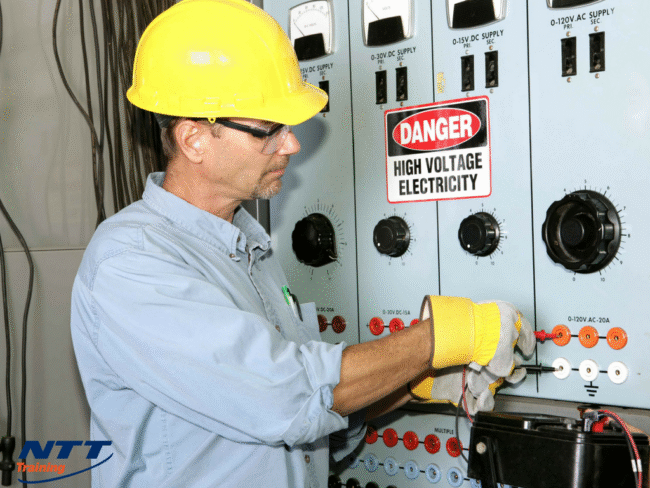
One of the most overlooked but crucial topics is hazard recognition and risk assessment. The goal isn’t just to follow rules but to spot problems before they happen. Trainees learn to read the environment, exposed wiring, unmarked circuits, missing labels, and understand how to assess the level of danger. These judgment calls happen in real-time, often under pressure. Knowing how to react calmly and make informed decisions separates seasoned professionals from those just going through the motions. And when something does go wrong, emergency response procedures come into play. From evacuation plans to the proper way to report incidents, these steps protect everyone on site.
No electric safety training program is complete without a strong emphasis on first aid and CPR. Electrical accidents can lead to burns, falls, and cardiac arrest, and the difference between life and death often comes down to how quickly and effectively someone responds. Teaching trainees what to do in those critical first minutes builds confidence, not just in themselves but across the team. These skills are rarely used, but when they’re needed, they’re everything. And while hands-on practice makes up much of the training, the real value lies in creating workers who take safety seriously and apply it in every decision they make.
The full impact of electric safety training goes beyond passing an exam. It shows up in the everyday habits of workers who look out for one another and who understand what’s really at stake. By covering the full spectrum of safety topics, from LOTO and PPE to risk assessment and CPR, training programs build more than compliance, they build capability. And when led by a company that understands the real-world demands of the job, those lessons stick. Businesses that invest in complete training create safer, stronger teams, and that’s an outcome worth every second.
